
Kirk Douglas: A Hollywood Career Defined by Iconic Roles and Scandalous Affairs

Kirk Douglas, born Issur Danielovitch on December 9, 1916, in Amsterdam, New York, is one of Hollywood’s most iconic actors, with a career spanning over six decades. Known for his rugged good looks, distinctive dimpled chin, and intense screen presence, Douglas became a towering figure in the golden age of cinema. His journey to stardom, however, was anything but ordinary, and his reputation as a Hollywood “Casanova” was equally legendary.
Douglas was born to impoverished Jewish immigrants from Belarus, and his early life was shaped by hardship. He worked a series of odd jobs to support his family while dreaming of a career in acting. After winning a scholarship to the American Academy of Dramatic Arts in New York, Douglas’ talent began to shine, setting the stage for his remarkable rise.
Douglas made his Broadway debut in 1941, but his burgeoning career was interrupted by World War II. He enlisted in the U.S. Navy, serving as a communications officer in anti-submarine warfare. After the war, he returned to New York and resumed his acting career.
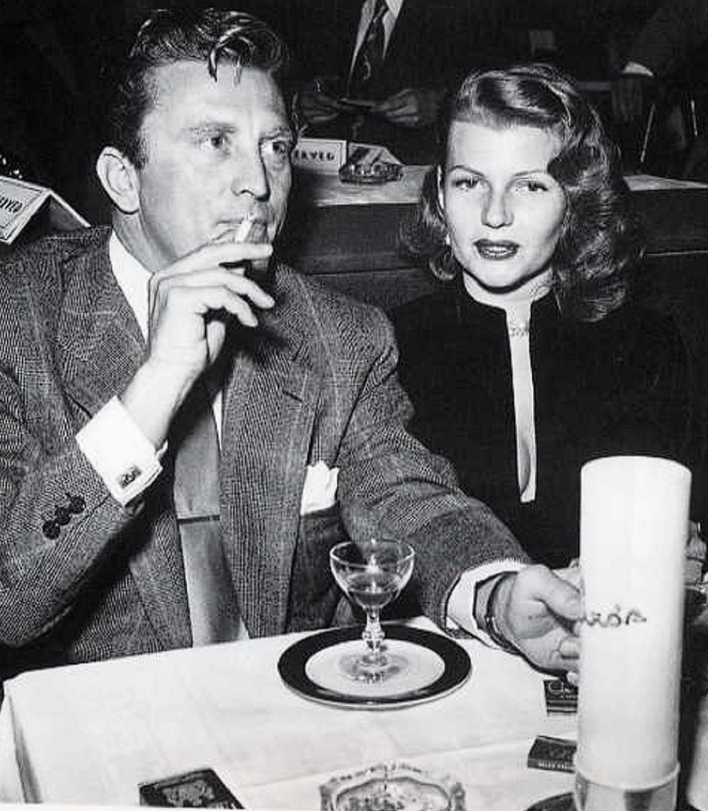
A chance recommendation from actress Lauren Bacall, a former classmate, led to his first film role in The Strange Love of Martha Ivers (1946). This role marked the beginning of a prolific film career, with Douglas quickly becoming known for his intensity and charisma.
Kirk Douglas rose to fame during the 1950s, earning a reputation as a versatile actor capable of handling both tough-guy roles and more complex, emotional characters. His breakthrough role came in 1949 with Champion, where he portrayed a ruthless boxer determined to reach the top. This performance earned him his first Academy Award nomination for Best Actor, establishing him as a Hollywood leading man.
Throughout the 1950s and 1960s, Douglas starred in a series of successful films, many of which are now considered classics. His portrayal of Vincent van Gogh in Lust for Life (1956) earned him another Oscar nomination, and his performance was praised for its depth and emotional intensity. Douglas’ ability to bring complexity to his characters became a hallmark of his acting.
Some of his most notable films during this era include 20,000 Leagues Under the Sea (1954), where he played the daring and adventurous Ned Land, Paths of Glory (1957), a powerful anti-war film directed by Stanley Kubrick, and Spartacus (1960), perhaps his most famous role.
In Spartacus, Douglas played the titular character, a slave who leads a rebellion against the Roman Empire. The film was a massive success and is credited with helping to end the Hollywood blacklist by hiring blacklisted screenwriter Dalton Trumbo.